Discover what science says about using hearing aids to manage that "'RINGING IN YOUR EARS'"
What Is Tinnitus?
The Sound
Hearing ringing, buzzing, or noise when no external sound exists
The Link
Often associated with hearing loss in affected individuals
The Impact
Can devastate quality of life and daily functioning
Tinnitus: Types & Causes
Understanding the nuances behind the ringing in your ears
Recognizing the Types
Subjective Tinnitus
Heard only by the affected individual. This is the most common form, often linked to auditory nerve damage or dysfunction.
Objective Tinnitus
A rare type that can be heard by others during a medical examination, typically stemming from vascular problems or muscle spasms.
Common Causes Unveiled
Auditory System Issues
Age-related hearing loss (presbycusis) Exposure to loud noise
Ear infections or excessive earwax
Otosclerosis (abnormal bone growth in the middle ear)
Meniere's disease
Systemic Factors
Medication side effects (e.g., aspirin, certain antibiotics)
Head or neck injuries
Temporomandibular joint (TMJ) disorders
Cardiovascular conditions (e.g., high blood pressure)
Stress and anxiety
The Research Question
Scientists reviewed 29 studies to answer one key question:
Arehearingaidseffectivefortinnitus?
The Evidence
0
Studies Supporting
Research studies found hearing aids beneficial for tinnitus management
0
Study Against
Only one study showed no significant benefit from aids
0%
Relief Reported
Patients experienced minor to major tinnitus relief with hearing aids
How Hearing Aids May Help
Masking Effect
Amplified sounds cover up the tinnitus, making it less noticeable throughout the day
Better Communication
Improved hearing reduces stress from struggling to understand conversations
Brain Adaptation
Sound stimulation may help the brain adjust and reduce tinnitus generation
Patient Success Stories
0%
THI Improvement
Over half of patients reported significant improvement in their tinnitus symptoms after treatment, indicating notable relief.
0%
Enhanced with Counseling
Patients saw even better results when they combined hearing aids with professional counseling and support.
0%
Reduction for Device Users
Nearly a quarter of users experienced meaningful relief from their tinnitus symptoms.
Key Factors for Success
1.
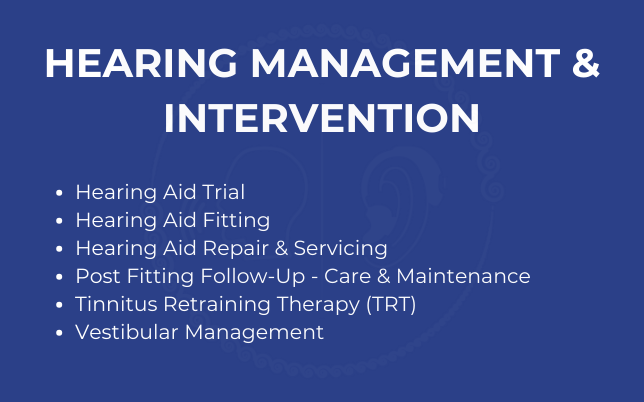
Modern Technology
Digital hearing aids showed better results than older analog models
Proper Fitting
Binaural aids for both ears work better than single-ear devices
2.
Professional Support
Counseling alongside hearing aids doubles the benefit for patients
3.
What Patients Reported
4 35% of surveyed patients
Hearing aids were the largest benefit from visiting the tinnitus clinic
4 65% of frequent tinnitus sufferers
My tinnitus disappeared or became softer with hearing aids
The Bottom Line
Evidence Supports Use
Weight of research suggests hearing aids merit consideration for tinnitus management
Not Perfect Yet
More rigorous studies needed to strengthen the evidence base
Clinician Confidence
Healthcare professionals can feel reassured recommending hearing aids for tinnitus
Take Action
If you suffer from tinnitus and hearing loss, talk to an Audiologist about hether hearing aids might help you.
Share this post with someone who struggles with tinnitus
Source
Shekhawat, C. S., Searchfield, C. D., € Stinear, C. M. (2013). Role of hearing aids in tinnitus intervention: A scoping review. Journal of the American Academy of Audiology, 24(8), 747–762. https://doi.org/10.3766/jaaa.24.8.11